2. (verb) (-a,-tia) to expel, banish, deport.
Tūwhitia te hopo, mairangatia te angitū (Milroy 2011). / Eliminate the negative, accentuate the positive.
3. (noun) lever for rolling logs.
he rite tonu
1. always, all the time, continually, constantly, ad nauseam, over and over - an idiom to indicate that omething happens over and over.
(Te Māhuri Textbook (Ed. 2): 29;)
He rite tonu te ngarongaro atu o Āpirana ki Pōneke i te pōtitanga i a ia i 1905 hai Mema Pāremata mō Te Tai Rāwhiti (TTR 1996:113). / After he was elected in 1905 as a Member of Parliament for Eastern Māori, Āpirana often disappeared to Wellington.
See also rite tonu
2. (noun) lid, cover.
Ka tohua e Ao-kehu tōna iwi kia whakaawaawa i tētahi rākau e uru ai he tangata ki roto. Whāia, me hanga he popoki (Te Ara 2012). / Ao-kehu instructed his people to hollow out a log so that a man would fit inside. A lid was then made.
3. (noun) patella, kneecap.
Hei tiaki te popoki i te wāhanga a mua o te turipona. / The kneecap protects the part in front of the knee joint.
tītakataka
1. (verb) to turn over and over, move about irregularly, wobble, flit about.
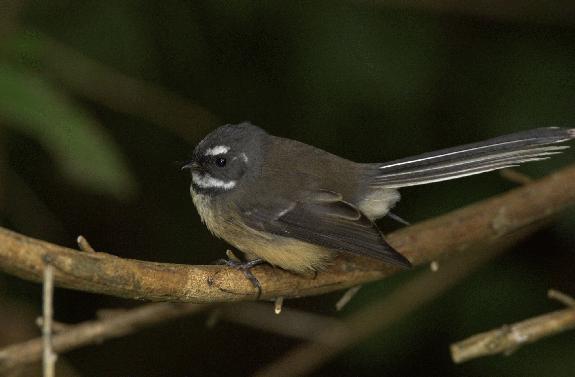
Nā, kia mōhio tātou, ko ngā tīwaiwaka e tītakataka nei ka hura rā hoki ngā hukumaro ki runga, ka riro ko te upoko ki raro (TTT 1/10/1929:1086). / Now, we should know that fantails flit about opening their tail feathers up and with their head going down.
Synonyms: hūkokikoki, tītaka
2. (verb) to be indecisive, wavering, vacillating, uncertain, dithering, in a quandary, in a dilemma.
E tuhi ana ahau ki ngā tāngata kei te tītakataka ngā whakaaro hei whakatau i ō rātou ngākau (TP 1/9/1899:2). / I am writing to the people who are in a quandary to set their minds at rest.
3. (verb) to prepare, organise, plan, put things in order.
Kāore i roa i muri mai, kua nekehia au ki tētahi wāhi kē, kua tītakataka mō te hoki ki te kāinga, ki Nūhaka (HP 1991:221). / Not long after that I was transfered to another place in preparation for the return home to Nūhaka.
Synonyms: whakarite, whakahaere, whakatakoto, kaupapa, tikanga, tātai, whakangārahu, mahere, whakamahere, hoahoa, pēwheatanga, take, whakakaupapa, whakatakotoranga, whakaaro, rahurahu, raweke, whakaute, takataka, whakareri, whakatau, whakatikatika, whakatakatū, takatū, whakatakataka, whakatika, pātā, whakapai, whakataka, rāwekeweke
4. (noun) fantail, Rhipidura fuliginosa - a small, friendly, insect-eating bird of the bush and domestic gardens which has a distinctive tail resembling a spread fan.
See also tīrairaka
Synonyms: tīrakaraka, tītīrairaka, tīraureka, pīrakaraka, pīrangirangi, pītakataka, wakawaka, tīrairaka pango, kōtiutiu, pīwaiwaka, tīwakawaka, tīrairaka, hīwaiwaka, hīrairaka, pīwakawaka, pīrairaka, tīwaiwaka
takaporepore
1. (verb) to roll over and over, keep on turning round, spin, revolve, rotate, turn round and round - sometimes written as two words, i.e. taka porepore.
Ka kīia te tamaiti kātahi nei ka ako ki te takaporepore, he owhaowha (Te Ara 2016). / A child that has just learnt to roll over is called an 'owhaowha'.
See also taka-
Synonyms: takaoriori, takahurihuri, huri, hurihuri, takahuri, tāwhiowhio, porotītiti, porotiti
2. (noun) gymnastics, floor exercises, roly-poly.
Ko ia te toa o te kura mō te mekemeke mau karapu. He pai mō ngā mahi takaporepore, takahurihuri (HP 1991:37). / He was the school champion for boxing. He was good at gymnastics.
Synonyms: pukunati
2. (noun) haka in which the performers recited their haka while upside down - sometimes said to be a sexual dance performed naked.
Ka mātakitaki tērā te tangata whenua ki te mahi a te ope nei e mahia ana; ka whakatūria tā rātou haka, e whā ngā kapa. Ko te haka nei he pōtēteke, pare ai ngā upoko ki raro, ko ngā waewae ki runga, ka takitakina tā rātou haka (JPS 1928:268). / The local folk watched this performance of the group, and then performed their posture dance in four ranks. This performance was a pōtēteke, in which the performers' heads were downwards and the legs were uppermost as they recited their haka.
3. (noun) turning over and over, somersault.
Ka rere a Whānui ka tīmata te hauhake i ngā kai; te potonga o ngā kai ka mahia ngā mahi a Ruhanui, koia ēnei: ko te tūperepere, ko te tōreherehe, ko te kai whakatāpaepae, ko te kokomo, ko te tūmahana, ko te kaihaukai, ko te haka, ko te poi, ko te whakahoro taratahi, ko te tā pōtaka, ko te pōtēteke, ko te taupiripiri, ko te mū tōrere, a te whai, a te pānokonoko, o te tararī, a te kīkīporo, a te pākuru, a te tārere, a te kūī, a te kūrapakara, a te rere moari, me ērā atu mea katoa (TWMNT 11/9/1872:110). / When Vega rose the harvesting of the food began; and when that was done the activities of Ruhanui were carried out, which were these: the ceremony and feast to celebrate the storing of the kūmara crop, tobogganing, the displaying of food, the exchanging of gifts between hosts and visitors, feasting and presenting food, performing haka and poi, flying kites, whipping spinning tops, doing somersaults, racing arm in arm, playing draughts, performing string games, playing the pānokonoko string game, playing the jewsharp, beating the time to songs with pieces of wood held against the cheek, playing the mouth resonator, swinging, calling kūī, playing kūrapakara, swinging on the moari, and all those other games.
porohuri
1. (verb) (-hia) to upset, overturn, tip over, tumble over.
Ka porohurihia e ahau, ka porohurihia, ka porohurihia; e kore noa iho anō tēnei, kia tae mai rā anō te tangata mana (PT Ehekiera 21:27). / I will overturn, overturn, overturn it: and it shall be no more, until he come whose right it is.
Synonyms: huripokinga, tūpoki, tahuri, whakatakahuri, whakataupoki, takahuri, urupoki
hurihuri
1. (verb) (-a,-hia) to turn over and over, turn round and round, toss and turn, roll, spin, revolve, rotate, twirl, reflect upon, ponder, convert.
Ka hurihuri haere mai i ngā kēna ki runga i te kāta (HP 1991:25). / I moved the cans onto the cart by turning them round and round.
Synonyms: huritau, rōra, rōru, rārangi ingoa, whakatakahuri, kōpiupiu, pīrori, whakarārangi, pukapuka, taute, whakaaroaro, huritao, tāwhiowhio, porotītiti, porotiti, takaporepore, huri, takahuri, takahurihuri
3. (noun) fleet (of canoes, etc.), flotilla.
I ngā rā tōmua o Oketopa 1844, ka rere whaka-te-raki ia i roto i tētahi kahupapa waka itiiti. Nō tō rātou taenga ki te kūrae o Paparoa i te 10 o Oketopa, ka ākina e te au tuke, ka tahia atu a Tūhawaiki ki te moana (TTR 1990:370). / Early in October 1844 he sailed north in a flotilla of small boats. When they reached Paparoa Point on 10 October, they were buffeted by heavy seas and Tūhawaiki was swept overboard.
4. (noun) raft.
I te raumati ka kapi katoa ngā awa nui i te kahupapa rākau e whakaheke ana ki ngā mira (TWMNT 17/9/1873:109). / In summer the main rivers are all covered with timber rafts being guided down to the mills.
5. (noun) floor, platform.
I kī ngā Māori i tupu ake aua rākau i ngā neke me ngā rākau o te kahupapa o Tainui, te waka i rere mai ai ngā tāngata i Hawaiki (TWMNT 1/2/1879:292). / The Māori said that those trees grew from the rollers and the wood of the platform of Tainui, the canoe that the people sailed here on from Hawaiki.
Synonyms: kaupapa, kāraho, whatārangi, ahurewa, atamira, raho, rahoraho, tūāpapa
kauhuri
1. (verb) (-a,-hia,-tia) to turn bottom upwards, flip over, dig, turn over the soil, swing on a pivot (as a door), flip over.
Ko Ira kē ki te kauhuri i tā māua māra, me ētahi anō o aku whanaunga (HP 1991:261). / It was Ira instead who dug over our garden, along with some of my other relatives.
2. (modifier) swinging on a pivot (as a door).
Ka tae mai pea te Pākehā, ka mōhio te Māori ki te tatau kauhuri. / When the Pākehā arrived the Māori probably learnt about doors that swing.
3. (noun) cultivation.
Ko te iwi kaha atu tēnei mō te kauhuri i te whenua ki te hāpara (TPH 15/11/1900:5). / These people are very skilled in the cultivation of the land with the shovel.
4. (noun) hinge.
2. (verb) (pōkia) to overrun, inundate, swamp.
E pōkia ana rātou e ngā taua maha o te motu e whakaeke ana ki te tango i Heretaunga hei kāinga mō rātou (TTT 1/12/1929:1934). / They were overrun by many war parties of the island attacking them to take Heretaunga as their home.
pokipoki
1. (verb) (-a,-na) to place with the concave surface down, pat, cover over, swamp, overrun, spread over.
2. (noun) baited rat trap.
Ka whakatakotoria ngā tāwhiti me ngā pokipoki ki ngā ara kiore i te wao (Te Ara 2016). / Unbaited traps and baited traps were set on the rat tracks in the forest.
3. (noun) fingering (of a wind instrument).
Ko te pokipoki te mahi a ngā matimati ki te kōpani, ki te whakapuare anō i ngā wenewene o tētahi taonga puoro (RTP 2015:76). / Fingering is the work of the fingers to cover and open the holes in a wind instrument (RTP 2015:76).
huripoki
1. (verb) (-a,-hia,-na,-tia) to turn upside down, turn over, invert, cover over, dig.
Ka mutu, ka ringihia e au te wai ki roto i te pākete, ka huripokitia e au aku kēna kia pau katoa ai te wai ki waho (HP 1991:25). / When that was finished, I poured water into the bucket and turned my cans upside down so that all the water drained out.
2. (verb) (-a,-tia) to traverse, travel over, cross over.
Kia tāroia te moana a Kupe ki Whāngārā, ko 'Matioro (M 2005:154). / To traverse the sea of Kupe to Whāngārā, to 'Matioro.
2. (location) further, further away - when used with atu.
(Te Pihinga Textbook (Ed. 2): 45;)
Haere ki kō! Ki kō atu! Ki kō rawa atu! / Go over there! Further yet! Much, much further!
3. (location) distant point in time, sometime in the future, sometime soon.
Ā kō ake nei hoki ai a Poia ki Murupara. / Sometime in the future Poia will return to Murupara.
4. (location) the far side, the other side - when used with atu.
(Te Pihinga Textbook (Ed. 2): 45;)
Ka haere tāua ki kō atu o te taraka rā. / Let's go to the other side of that truck.
5. (location) the near side, this side - when used with mai.
(Te Pihinga Textbook (Ed. 2): 45;)
Arā a Te Wharetoroa, kei kō mai o te pou haki. / There is Te Wharetoroa, on this side of the flagpole.
korā
1. (location) over there, that place (at a distance), the place over there, there - a location word, or locative, which follows immediately after particles such as ki, i, hei and kei or is preceded by a when used as the subject of the sentence.
(Te Kākano Textbook (Ed. 2): 121; Te Pihinga Textbook (Ed. 2): 24;)
Kei korā, kei muri i te rimu a Māia e huna ana. / Māia is hiding over there behind the rimu tree.
2. (stative) further, further away - when used with atu.
(Te Pihinga Textbook (Ed. 2): 45;)
Haere ki kō atu! Ki korā rā anō! Ki korā rawa atu! / Go over there! Much further! Much, much further!
whakatoe
1. (verb) (-a) to leave over, cause to remain over.
Ka tae mai anō a Whatihua, ka kōrero atu ki te teina kia mahia ana māra kia nui noa atu. Ka tahuri a Tūrongo ki te mahi i ana māra, ā, korekore nei āna kūmara i whakatoe ai ki ana rua kūmara (NIT 1995:67). / Whatihua arrived again, telling his younger brother to make his gardens much larger. Tūrongo set about doing his gardens, and as a result there were no kūmara remaining in his kūmara pits.